
Neurotechnologies
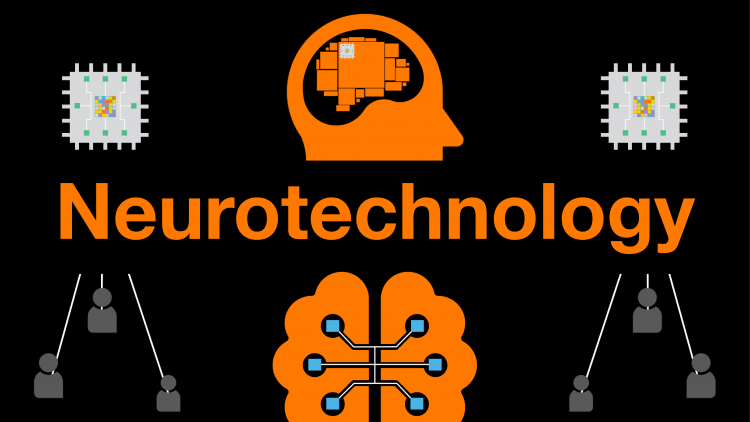
• Neurotechnologies are rapidly developing due to global innovation and the convergence of neuroscience and digital technologies, becoming increasingly miniaturized and efficient.
• They offer hope for treating diseases such as Parkinson’s, insomnia, depression, and ADHD, but raise ethical concerns about the potential manipulation and influence on individuals.
• The use of neurotechnologies poses major ethical challenges, particularly regarding mental privacy. Society must address these dilemmas without slowing innovation.
Watch the video
• They offer hope for treating diseases such as Parkinson’s, insomnia, depression, and ADHD, but raise ethical concerns about the potential manipulation and influence on individuals.
• The use of neurotechnologies poses major ethical challenges, particularly regarding mental privacy. Society must address these dilemmas without slowing innovation.

Controversies around AI: from ethical questions to legal regulation
Read the article
Udio, Suno: AI-generated music is already competing for low added value orders
Read the article
Ethical AI and children: the benefits of a multi-disciplinary approach
Read the article

With or without generative AI, aspiring developers still have to master the basics
Read the article